by YLNMadmin | Oct 22, 2023 | Defend the Defenders, defend the defenders, derecho a decir no, latest news, latest news, right to say no, take action
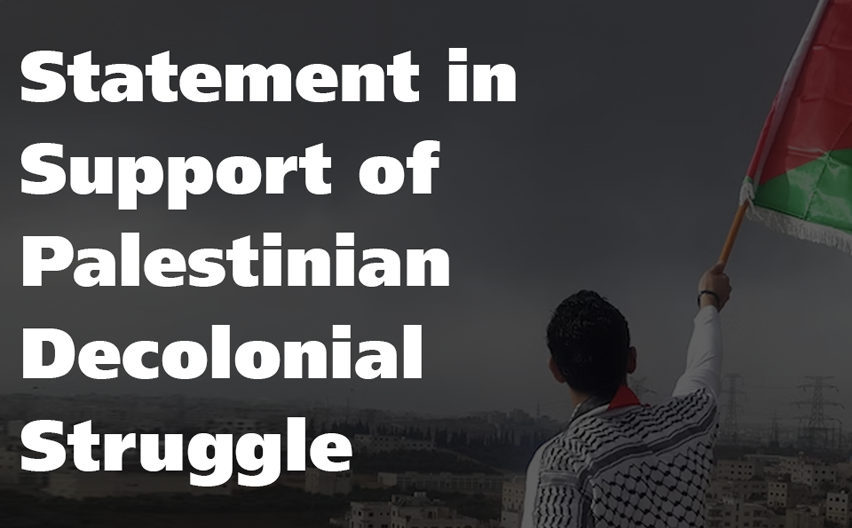
We, Yes to Life No to Mining and the other undersigned participants of the Second Thematic Social Forum on Mining and Extractivism, express our unconditional solidarity with the people of Palestine. Sign on to the YLNM Statment in Solidarity with Palestine.
by ActionSkills | Dec 8, 2022 | latest news, resources, right to say no
This how-to-guide is based on the experience and testimonies of European citizens and activists who have engaged with European Union mechanisms to register claims, petitions, and complaints related to the negative effects of existing or proposed mining projects in Europe.
by YLNMadmin | Dec 16, 2021 | latest news
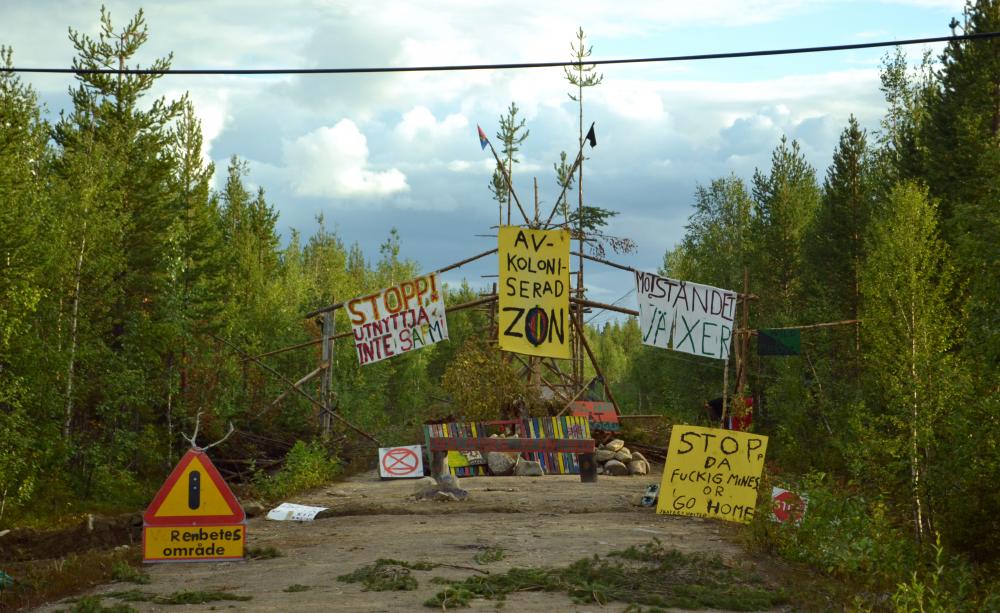
Eurohpá ruvkedoaimmaid ruonán bassan Eurohpá ruvkedoaimmaid ruonán bassan Miehtá Eurohpá leat ođđa ruvkefitnut brándejuvvon ođđasit buhtisin, ruonán ja vealtameahttumin dálkkádatdoaimmaid ektui. Duohtavuohta lea guittotge hui earálágan. Maŋimuš jagit leamašan...

by YLNMadmin | Dec 16, 2021 | latest news
Grønnvaskingen av europeisk gruvedrift Grønnvaskingen av europeisk gruvedrift Gjennom hele Europa blir nye gruveprosjekter markedsført som rene, grønne og avgjørende for klimahandling. Virkeligheten er helt annerledes. I de siste årene har vi sett en stor økning i...
by YLNMadmin | Dec 2, 2021 | latest news
YLNM members, allies, experts intervene at EU special hearing on mining impacts On the 2nd December 2021, YLNM members and allies gave critical testimony at the European Parliament's Petitions and Environment committees' special hearing on environmental and social...
